
A Quick Guide to Facility Asset Management
Creating a well-run facility isn't as simple as it may appear. It requires meticulous planning, dedicated resources, and a keen eye for detail to ensure that all elements, from the largest machines to the smallest fixtures, function as intended. All these aspects fall under the umbrella term of facility asset management.
Let’s explore which assets, benefits, and key processes hide behind this term.
What is facility asset management?
Facility asset management is the strategic practice of managing, maintaining, and optimizing a facility's physical assets and infrastructure. Its effective implementation leads to lower operating costs and increased asset longevity, creating a highly-functional facility that is safe, sustainable, and presentable.
Facility asset management takes care of all physical assets, each playing a crucial role in the overall functionality of the facility:
- Facility-related assets: HVAC systems, lighting, elevators, break room appliances, and all other physical infrastructure
- Personnel-related assets: Vehicles, uniforms, mobile devices
- IT-related assets: Copiers, printers, data infrastructure, software licenses
These assets often share three common traits:
- They are high-value (high enough to be on the books and worth tracking)
- They can be depreciated over time
- They play an important role in the facility's operations.
Effective management of these assets requires a proactive — rather than reactive — approach.
What is the difference between facility management and asset management?
Asset management and facility management have a lot of overlap. Still, they differ in their focus, goals, and performance indicators.
Asset management zeroes in on individual physical assets, aiming to optimize their function, utility, and long-term value. It tracks metrics such as total cost of ownership, maintenance costs, asset utilization, and MTBF.
Facility management takes a broader view, overseeing the overall physical environment. It is a more holistic approach, including aspects such as human resources, health and safety, customer satisfaction, and environmental sustainability.
The KPIs used in facility management vary widely, from asset-level metrics like Preventive Maintenance Compliance and Work Order Resolution Time to facility-level metrics like Space Utilization and Customer Satisfaction Rates.
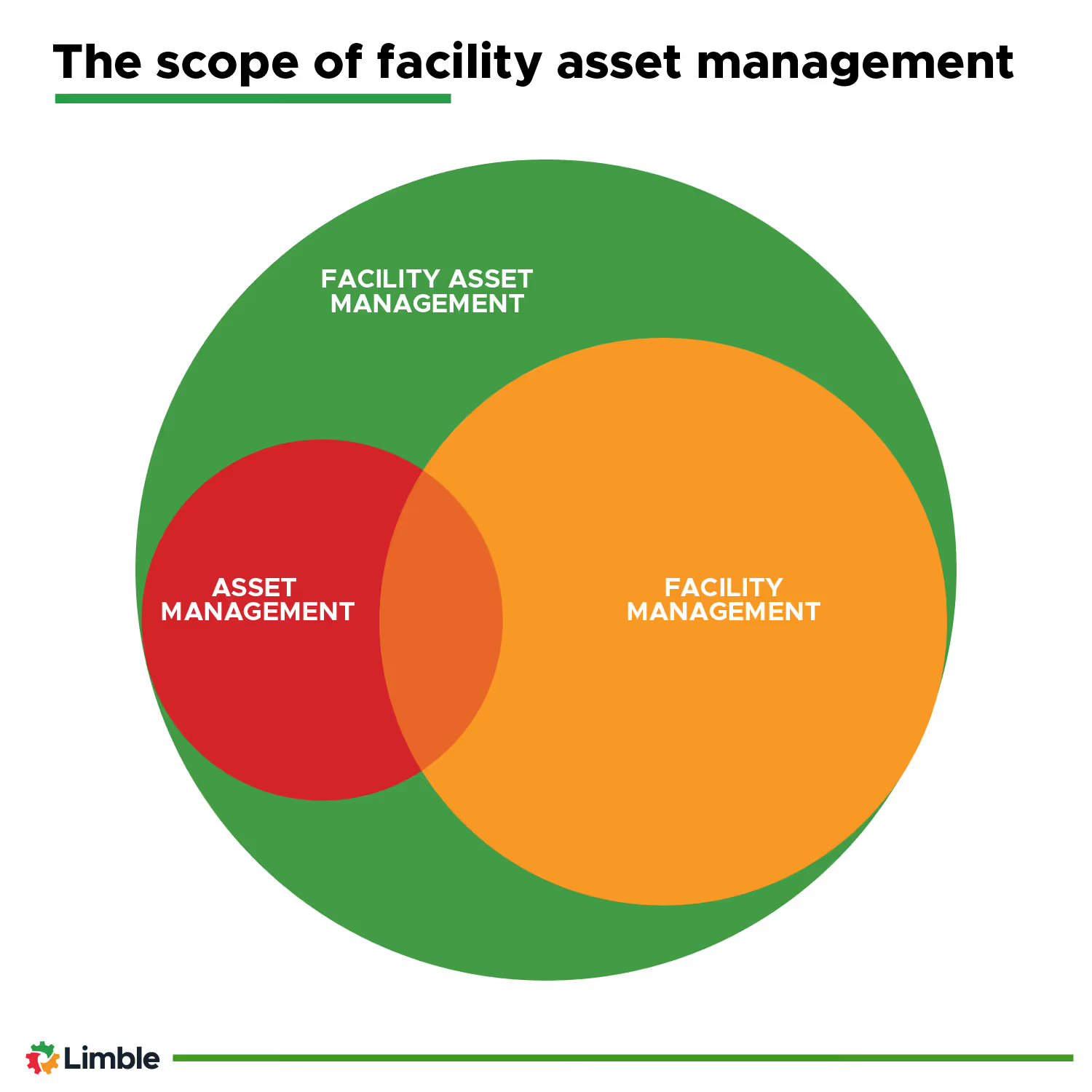
Facility asset management can be seen as a combination of these two disciplines. It encompasses the tracking, maintenance, and optimization of physical assets, while also considering the broader environment they're situated in.
This enables managers to ensure both the performance of individual assets and the optimal functionality of the entire facility.
Key processes in effective facility asset management
In order to maximize the benefits of facility asset management, it's crucial to understand and implement its key processes:
- Asset Tracking: This involves keeping tabs on all assets, their condition, location, and performance. It's an essential step to ensure assets are being fully utilized and well-maintained.
- Maintenance Planning and Scheduling: Preventive and timely maintenance helps prevent breakdowns and extends the life of assets. Effective planning and scheduling is key to ensuring regular maintenance tasks are not overlooked.
- Asset Lifecycle Management: Understanding and managing the entire lifecycle of an asset, from acquisition to disposal, helps to optimize its use and plan for its replacement effectively.
- Maintenance Budget Planning: Predicting the costs of routine maintenance, repairs, and replacements can help prevent budget overruns and ensure the long-term financial sustainability of the facility.
- Risk Management: This process involves identifying potential risks to assets, such as breakdowns or malfunctions, and putting plans in place to mitigate these risks. It contributes to business continuity and reduces unexpected costs.
- Asset Performance Analysis & Reporting: Regularly reviewing and reporting on the performance of each asset helps identify areas of improvement, anticipate potential issues, and inform decision-making on asset investments and replacements.
Simplify the management of your facilities with Limble CMMS
With a comprehensive understanding of facility asset management and its key processes, it's clear that effective execution can be complex.
Tools like Limble CMMS are built with the purpose of simplifying your asset and facility management work, offering features that automate and streamline everything from asset tracking to performance analysis.Ready to digitalize your facility asset management processes?
Get in touch with the Limble team and find the best solution for your facility!