
Ensure uptime when the stakes are high
Limble is a reliable, compliant solution for maintenance management that’s easy to adopt and scale. Manage work orders, PMs, and assets with configurable workflows and templates built for healthcare systems.
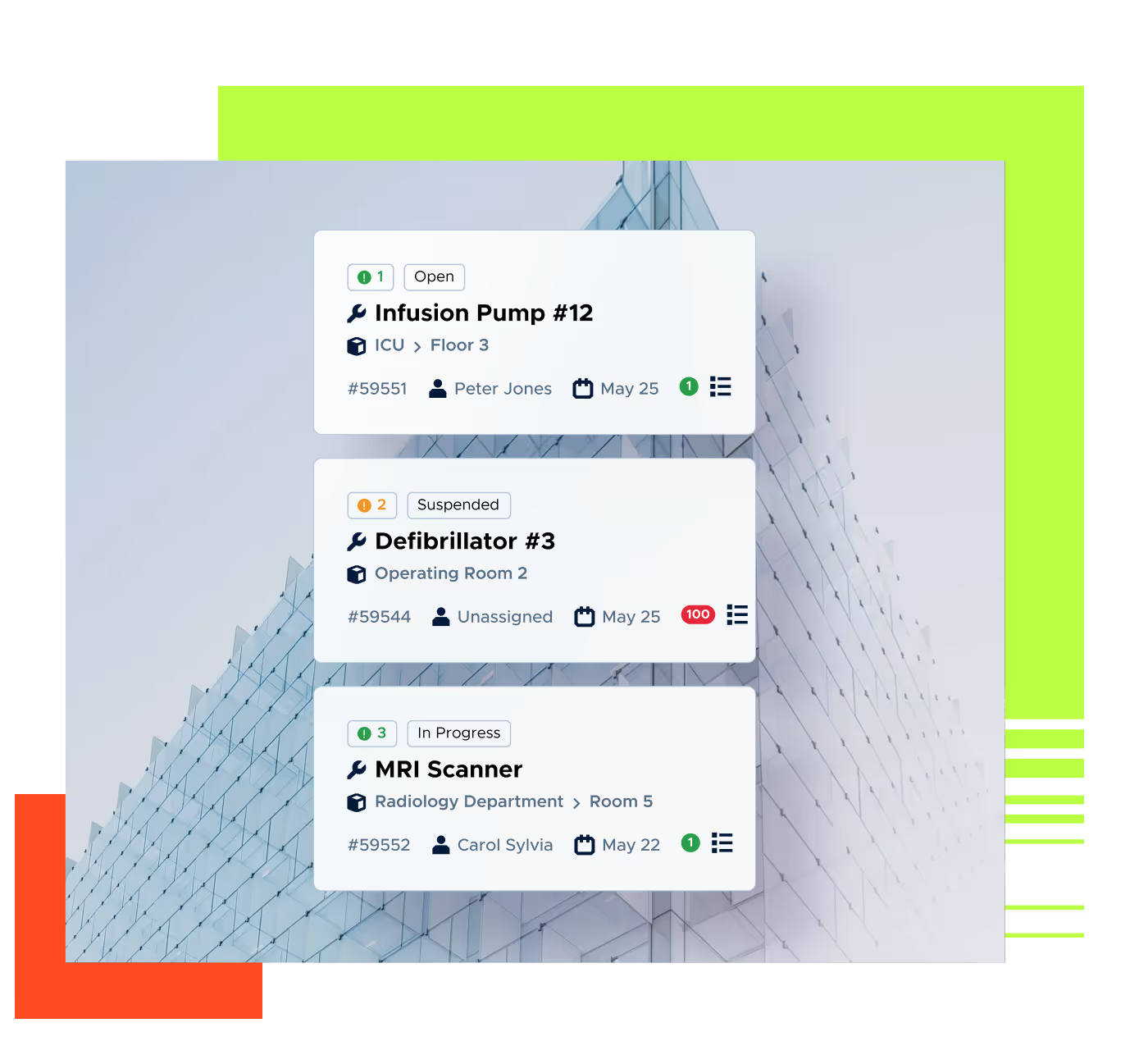








Resolve issues early to protect patients and improve satisfaction.

Meet OSHA and HIPAA standards with clear maintenance records.

Reduce failures and downtime that drive up operating expenses.
Protect your patients, staff, and facilities
Limble’s versatile CMMS and powerful enterprise asset management features keep maintenance emergencies and operational delays to a minimum, even at the busiest hospitals and healthcare facilities.
Prevent breakdowns before they happen
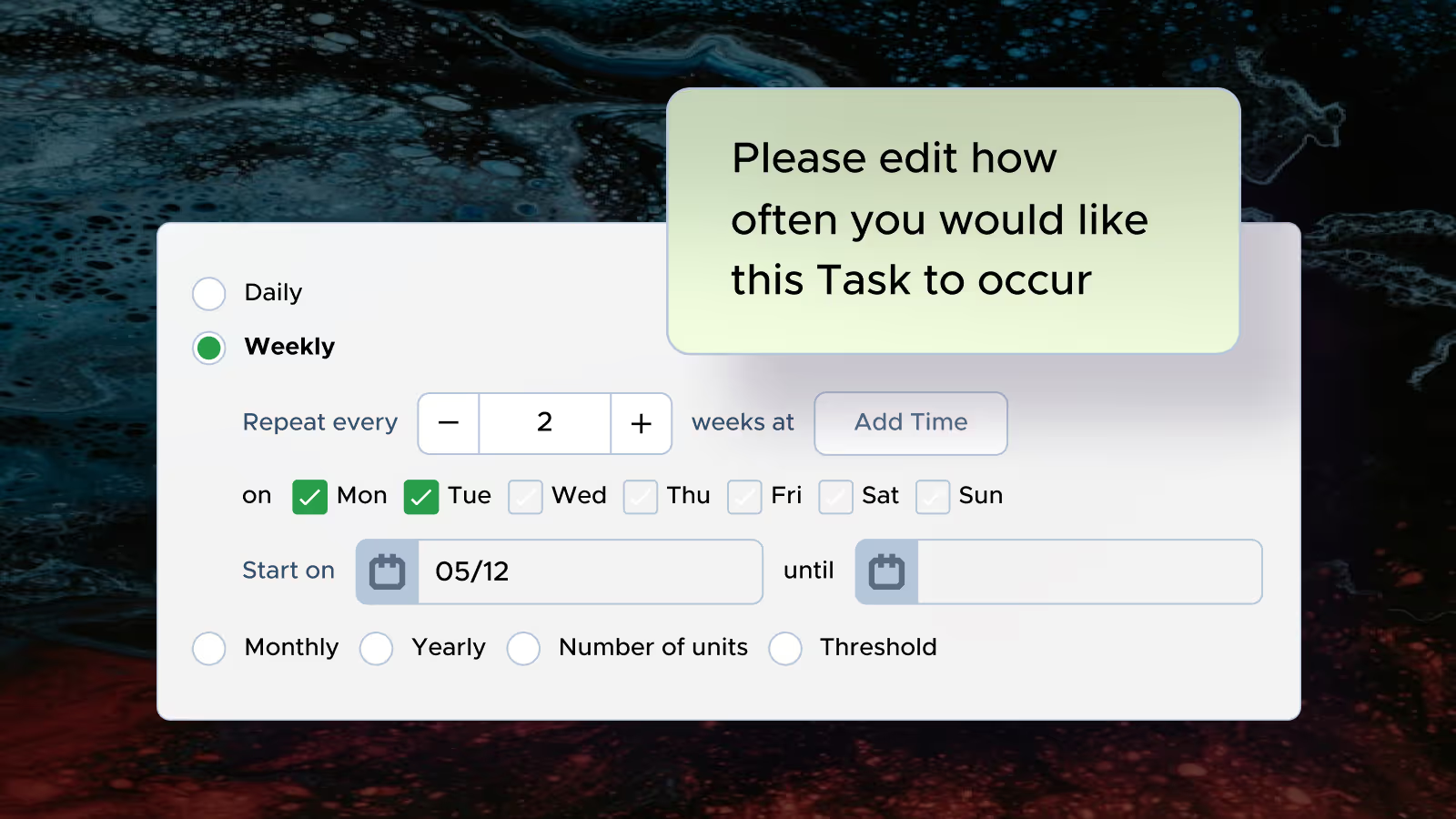
Expertly manage preventive maintenance to avoid unplanned downtime that impacts patients and providers.
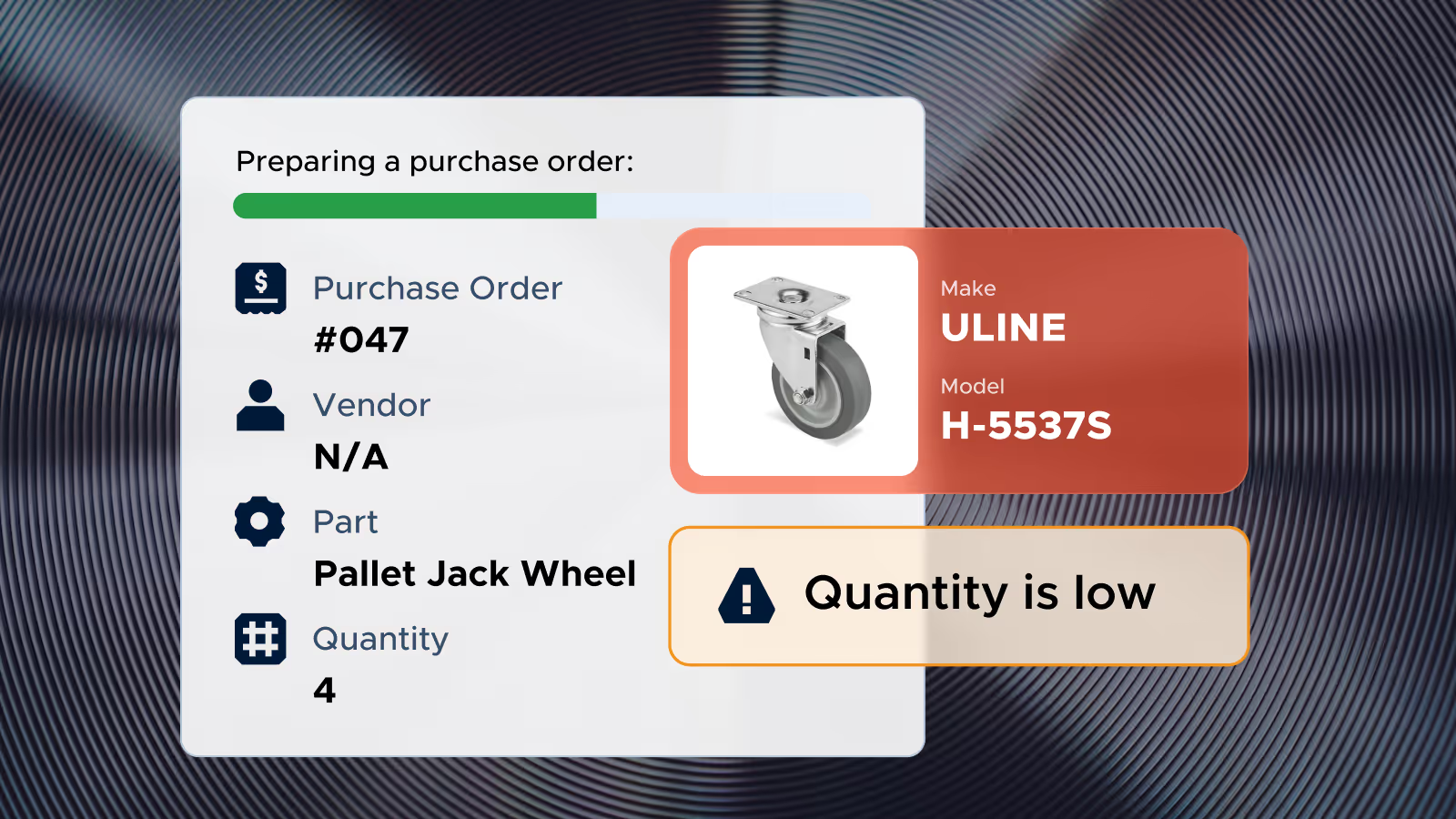
Keep critical spare parts in stock
Tag, organize, and instantly find every asset and part, from HVAC components to specialty, medical-grade equipment.
Automate vendor management and parts ordering
Invite vendors to join you on Limble or share important orders and tasks via email. You can configure the platform to auto-schedule PM work that requires vendor action, triggering reminders to order spare parts before they drop below your specific threshold.
Customized dashboards and reporting
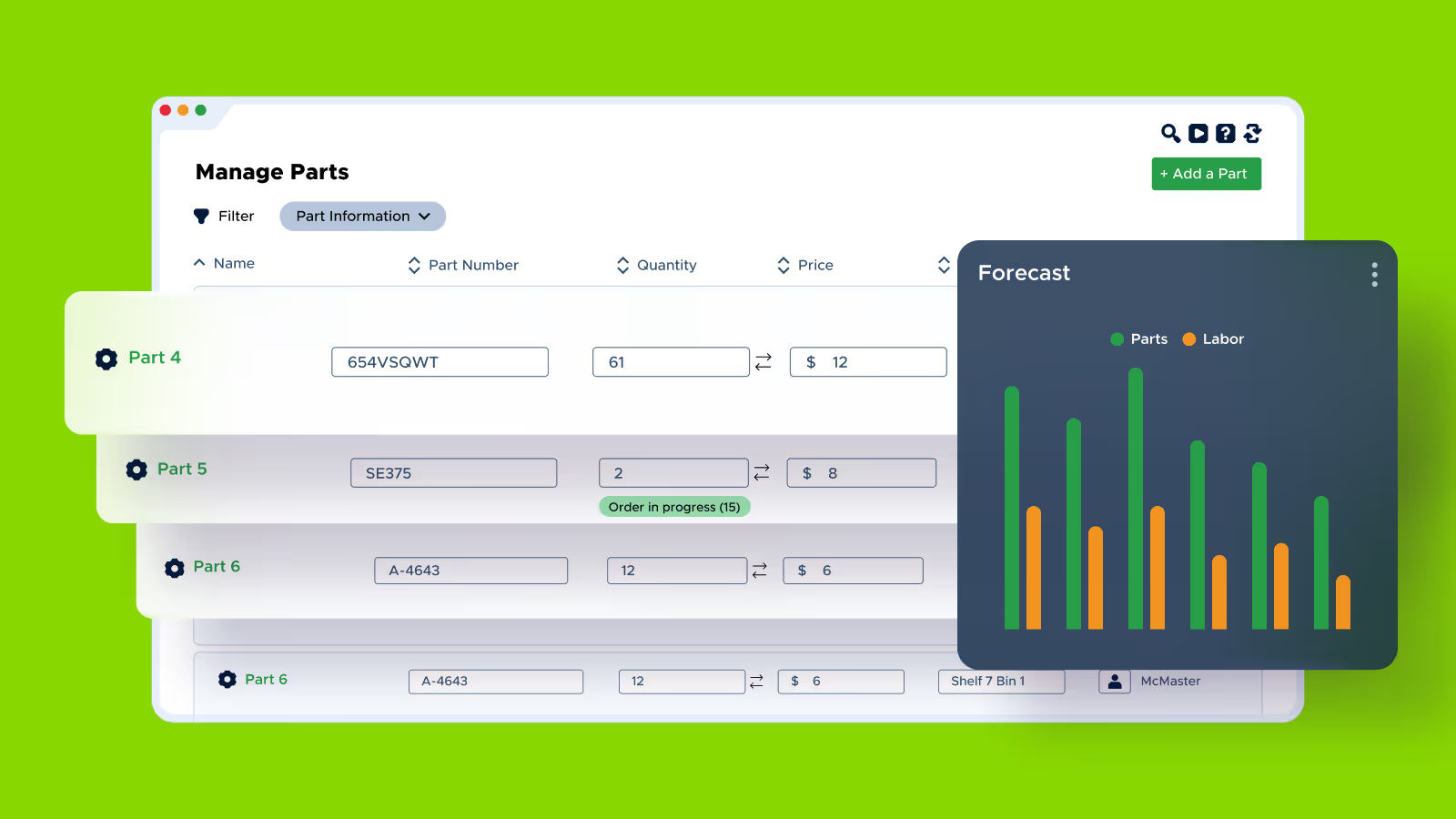
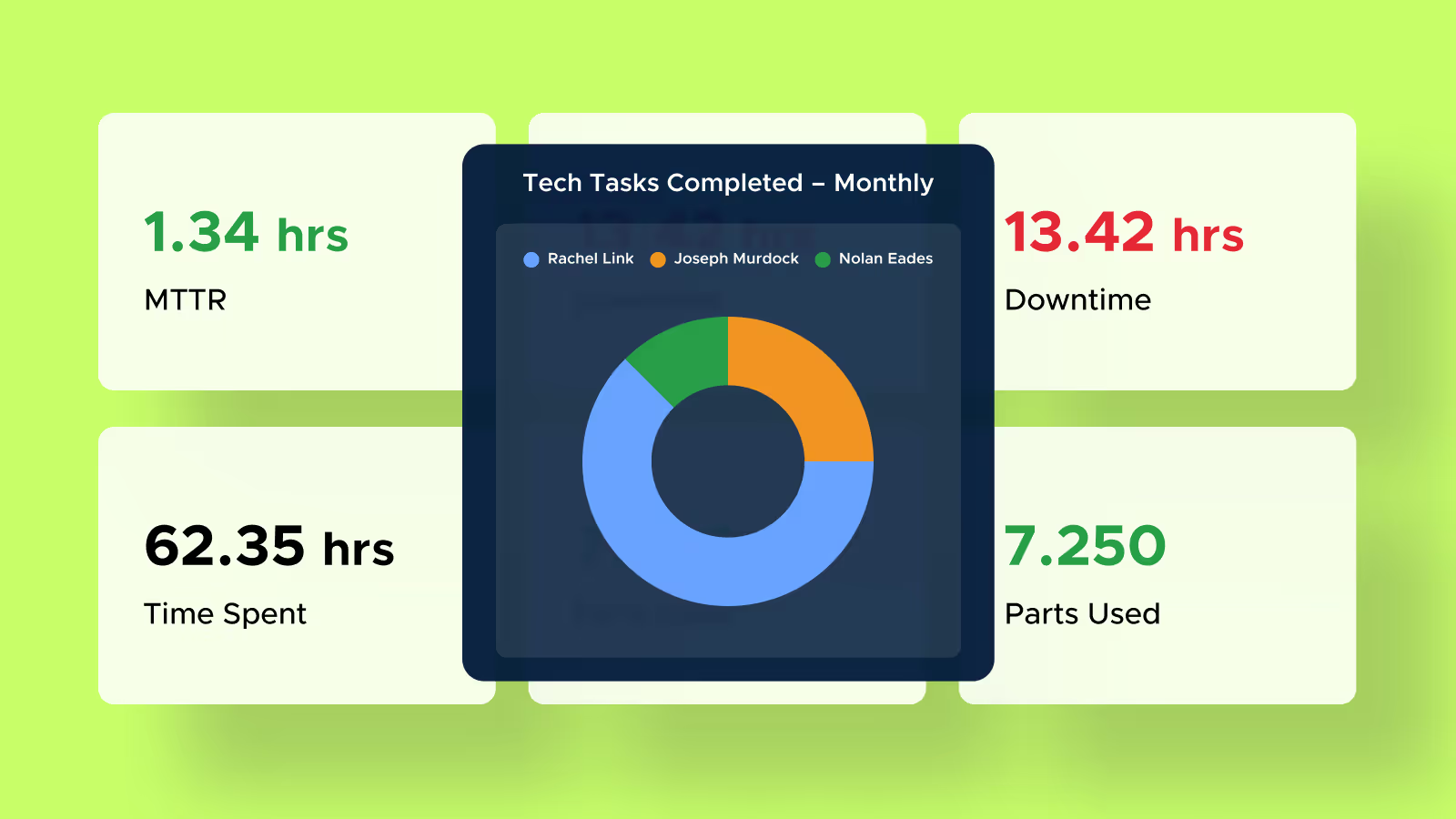
Stay compliant and informed with Limble's flexible reporting features. Access detailed insights into open and historical work orders, manage a comprehensive asset inventory, and track team performance—all from a single platform. Easily share real-time data with the right stakeholders automatically.
Streamlined maintenance management for large healthcare systems
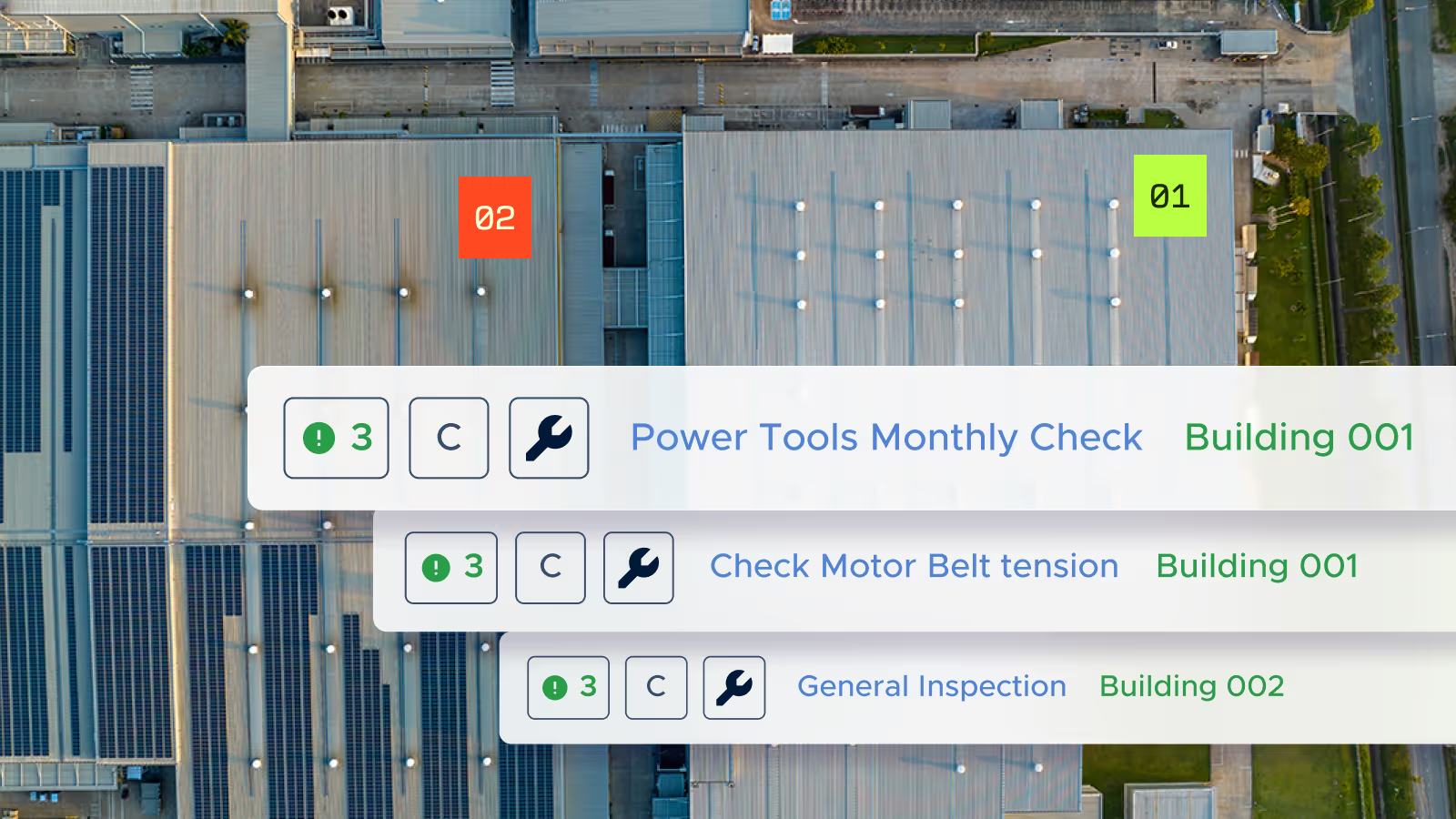
Limble provides the ultimate flexibility and scale for enterprise or multi-property healthcare companies. Track work orders and PMs across thousands of diverse assets while staying compliant with stringent healthcare regulations.
Responsive, easy-to-reach customer support
We know how important fast support is when you’re supplying a power grid. Limble customers get 24/5 phone, chat, and email support and a dedicated onboarding team to ensure success from day one.

Proven results, measurable impact






Ready to learn more about Limble?
FAQs
Limble is built with HIPAA compliance for healthcare organizations. For a signed Business Associate Agreement specifically, reach out to our team directly to confirm BAA availability for your account and plan.
Limble's reporting module helps organizations comply with The Joint Commission, with configurable dashboards giving you access to every piece of maintenance data in the system so you can reference what's needed during an audit. Reach out to our team to talk through your specific NFPA 99 and CMS environment-of-care requirements.
Yes. Limble tags, organizes, and helps you instantly find every asset and part, from HVAC components to specialty, medical-grade equipment. One customer uses Limble to manage an 851-piece biomedical equipment inventory, tracking preventive and corrective maintenance tasks and full equipment records across its outpatient clinics and hospital locations.
Start with automated PM scheduling and checklists on your highest-priority equipment and build out from there as your program matures. Limble is designed to be easy to adopt and scale, so a smaller clinic can start with a focused PM program and expand it over time without switching systems as the organization grows.
Healthcare customers include Health and Hospital Corporation, Ryan Health, Wills Eye Physicians/Mid Atlantic Retina, Family Health La Clinica, Upper Great Lakes Family Health, and Veterinary Healthcare Associates. Family Health La Clinica improved cost and time efficiency by more than 50%, and Mid Atlantic Retina cut work order times in half.