
AI for the real world of maintenance
We build smart, human-centered tools that turn clean data into action and empower technicians to do their best work.
Introducing Practical AI
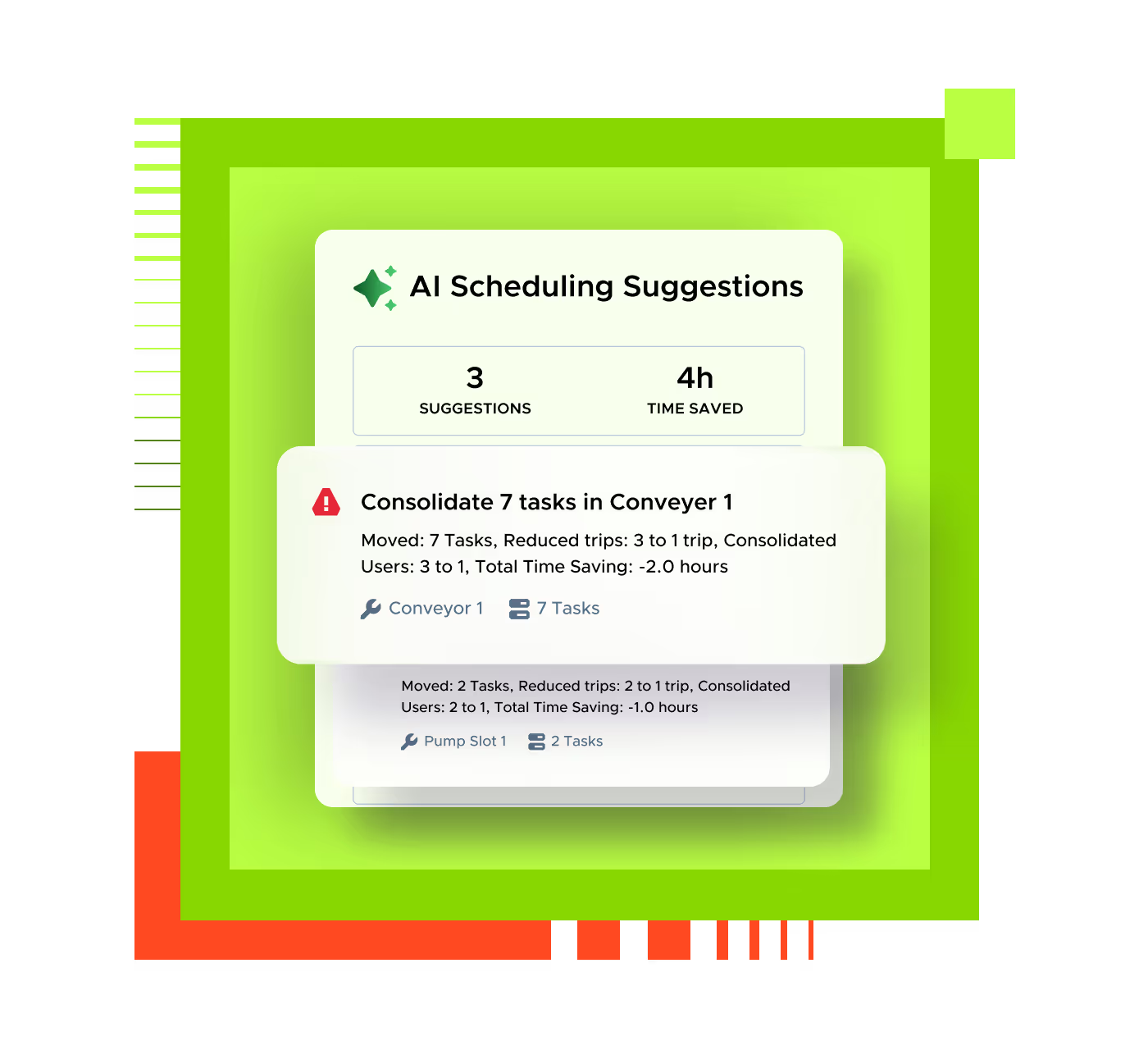
Our approach to AI is built for everyday maintenance work. It turns complex data into clear actions, so teams spot issues earlier, decide faster, and keep assets running.

Built into everyday workflows, not added after the fact.

Focused on measurable results, not buzzwords.

Made to work with your team, not instead of it.
Purpose-built intelligence. Practical design.
Every AI capability inside Limble is an example of Predictive Maintenance Intelligence in action: tools that make complex decisions simple and measurable.
Build smarter PMs in minutes
Limble's AI PM Builder automatically turns service manuals and asset data into ready-to-use maintenance schedules, helping teams standardize and save hours of setup time.

Plan every job with clarity and control

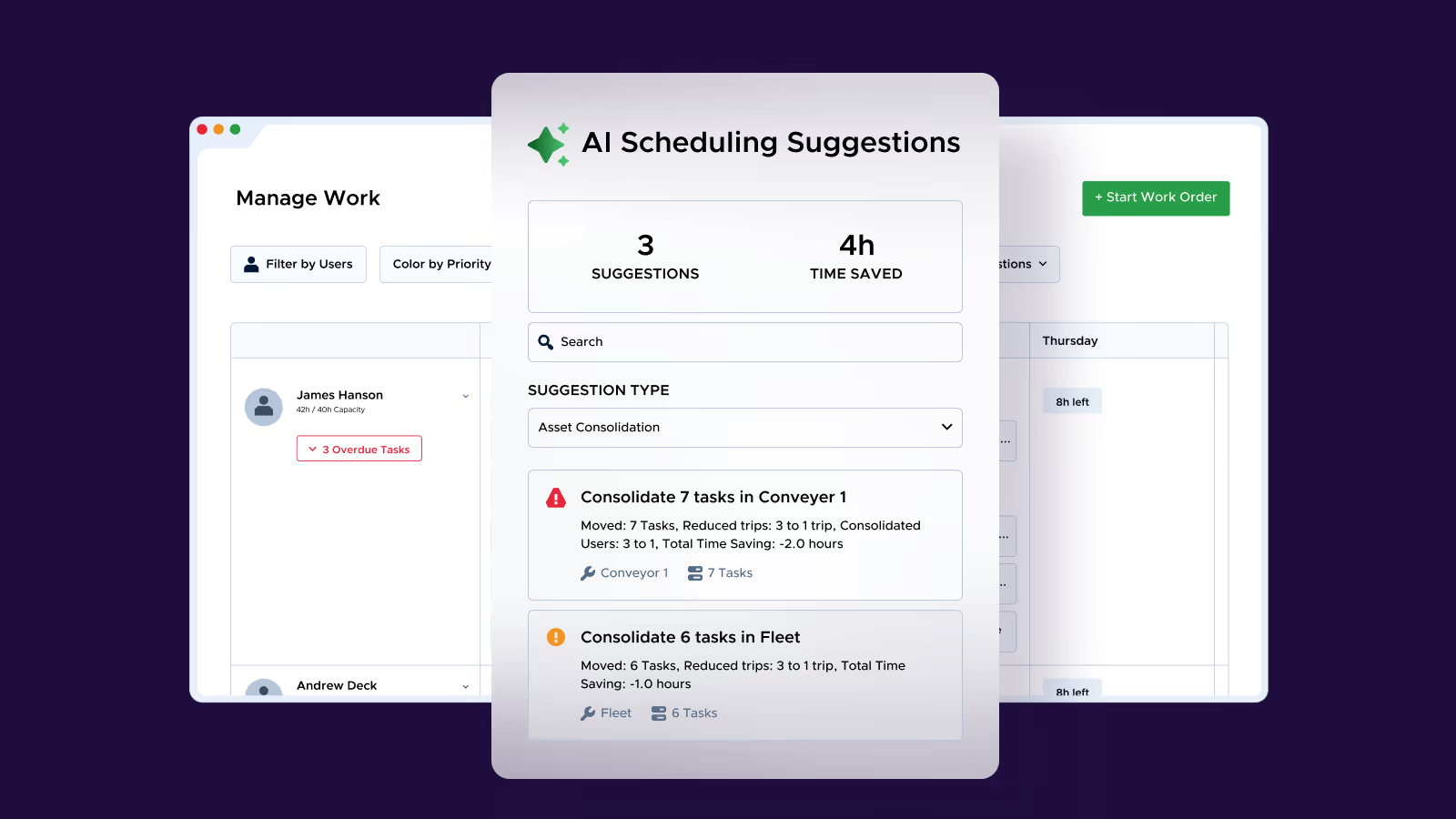
See labor capacity, inventory levels, and work priorities in one place. Limble helps you allocate resources efficiently and keep maintenance plans on track.
Capture and identify assets instantly
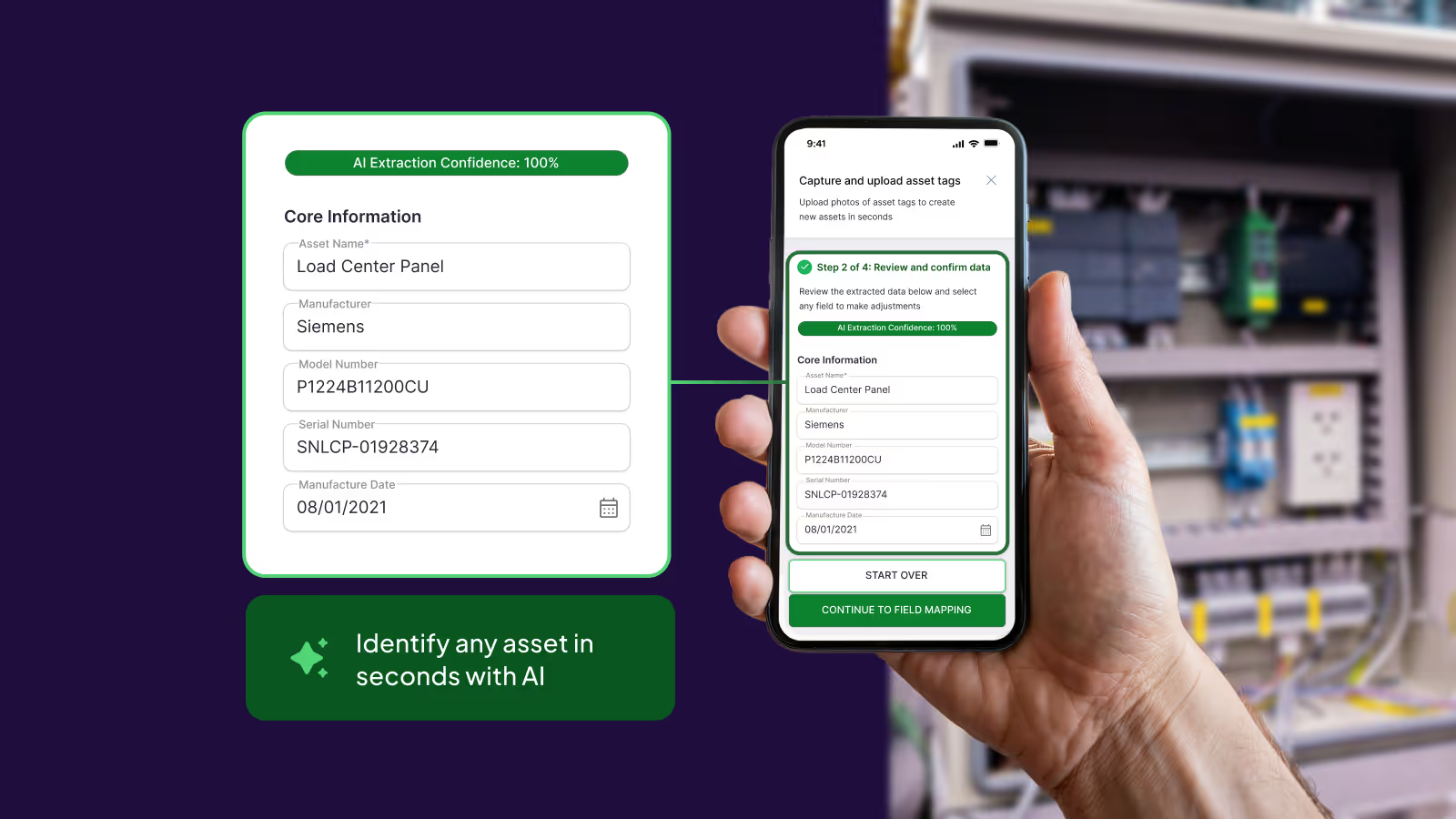
Asset Snap uses AI-powered image and text recognition to pull details directly from an asset nameplate, creating a new asset in seconds. No typing or manual entry required.
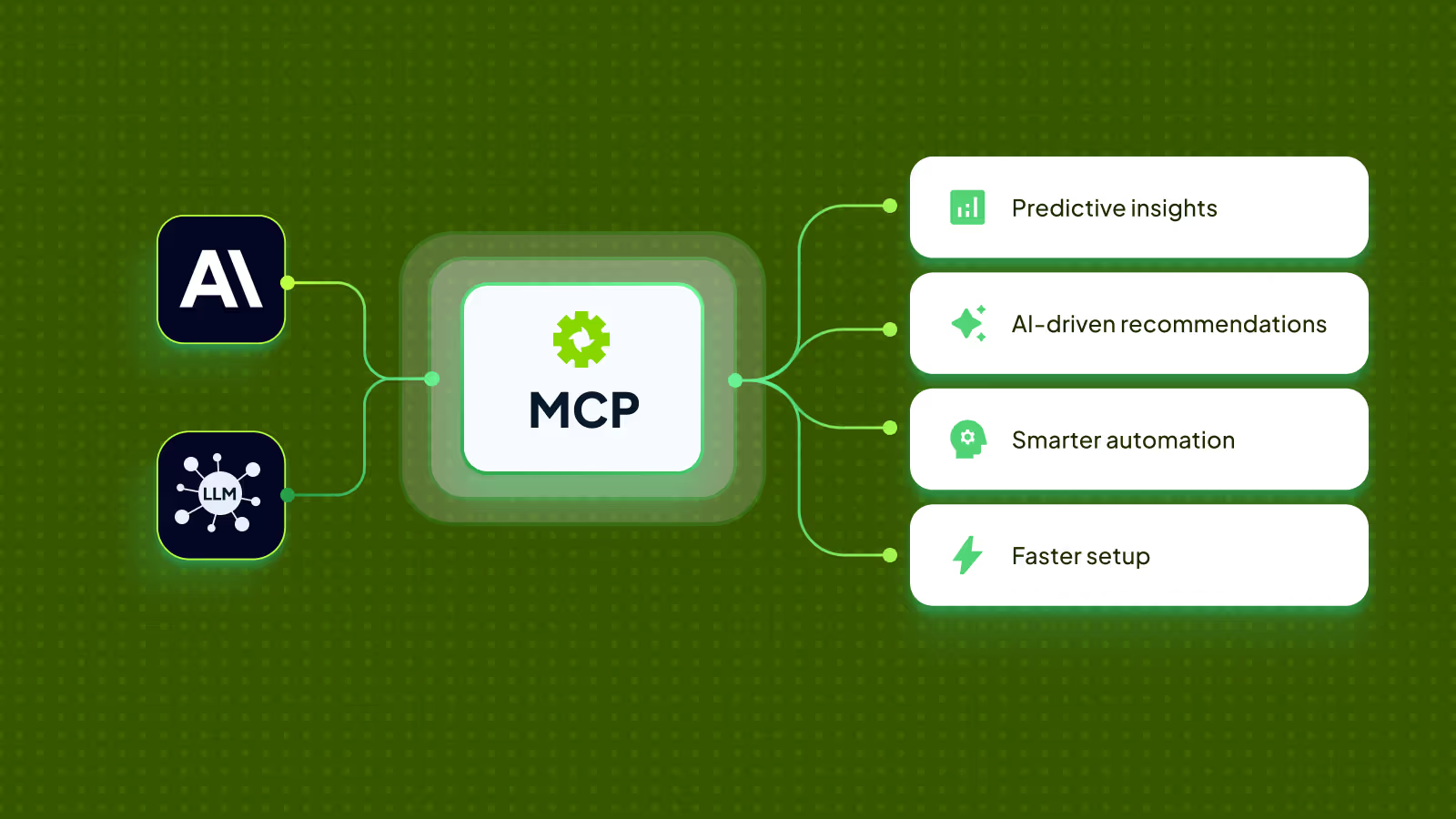
The AI-ready data layer powering smarter insights
MCP lets developers securely connect Limble’s data to AI tools, powering better recommendations, faster automation, and flexible integrations for your maintenance team.
Prevent duplicate work requests automatically
Limble’s AI detects when multiple users submit similar requests for the same issue, saving time, reducing confusion, and keeping your maintenance data clean and accurate.

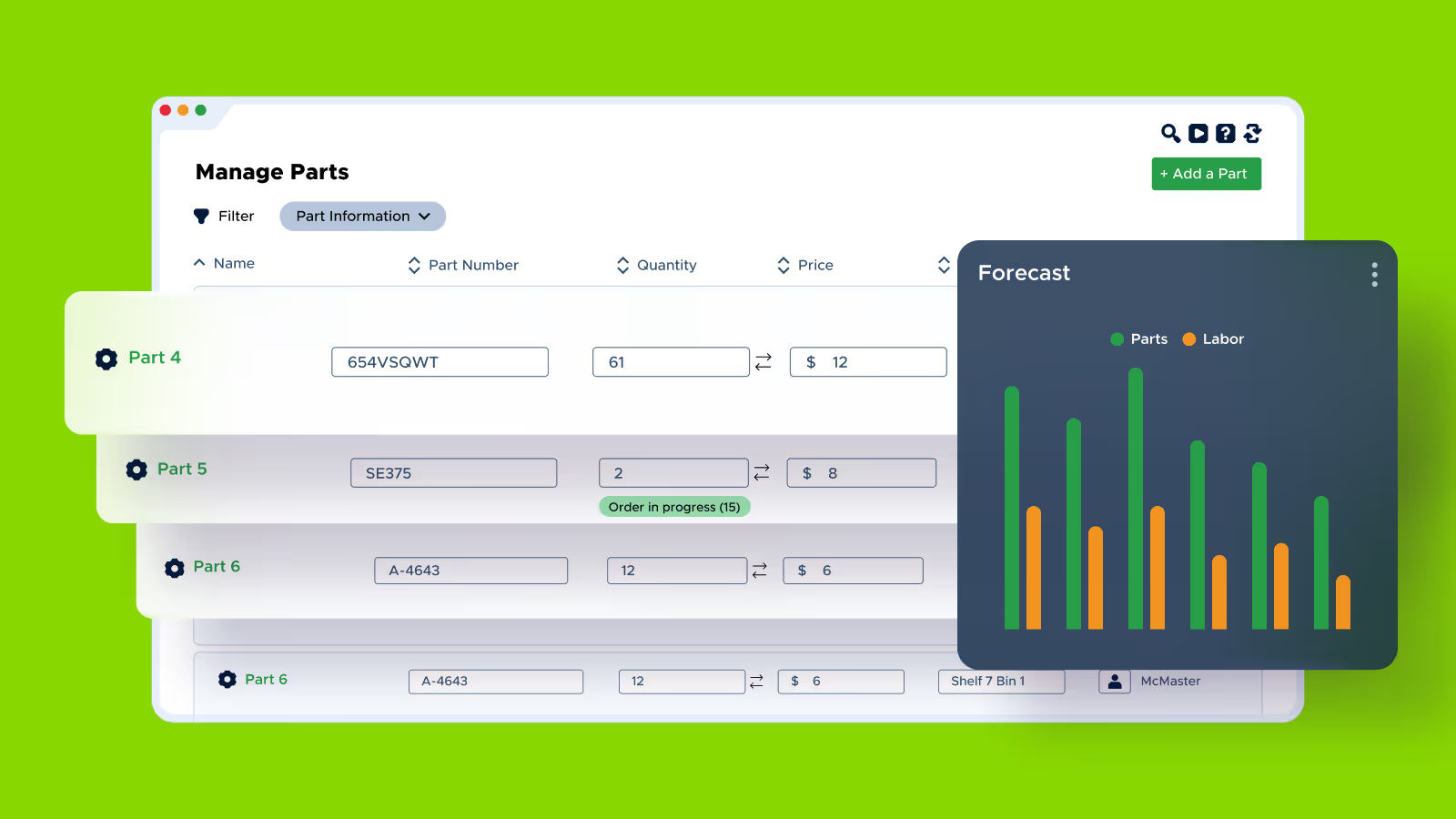
Forecast and plan with intelligent reporting
Spot trends, forecast needs, and plan resources with data-driven reports that help you stay ahead of maintenance demands.
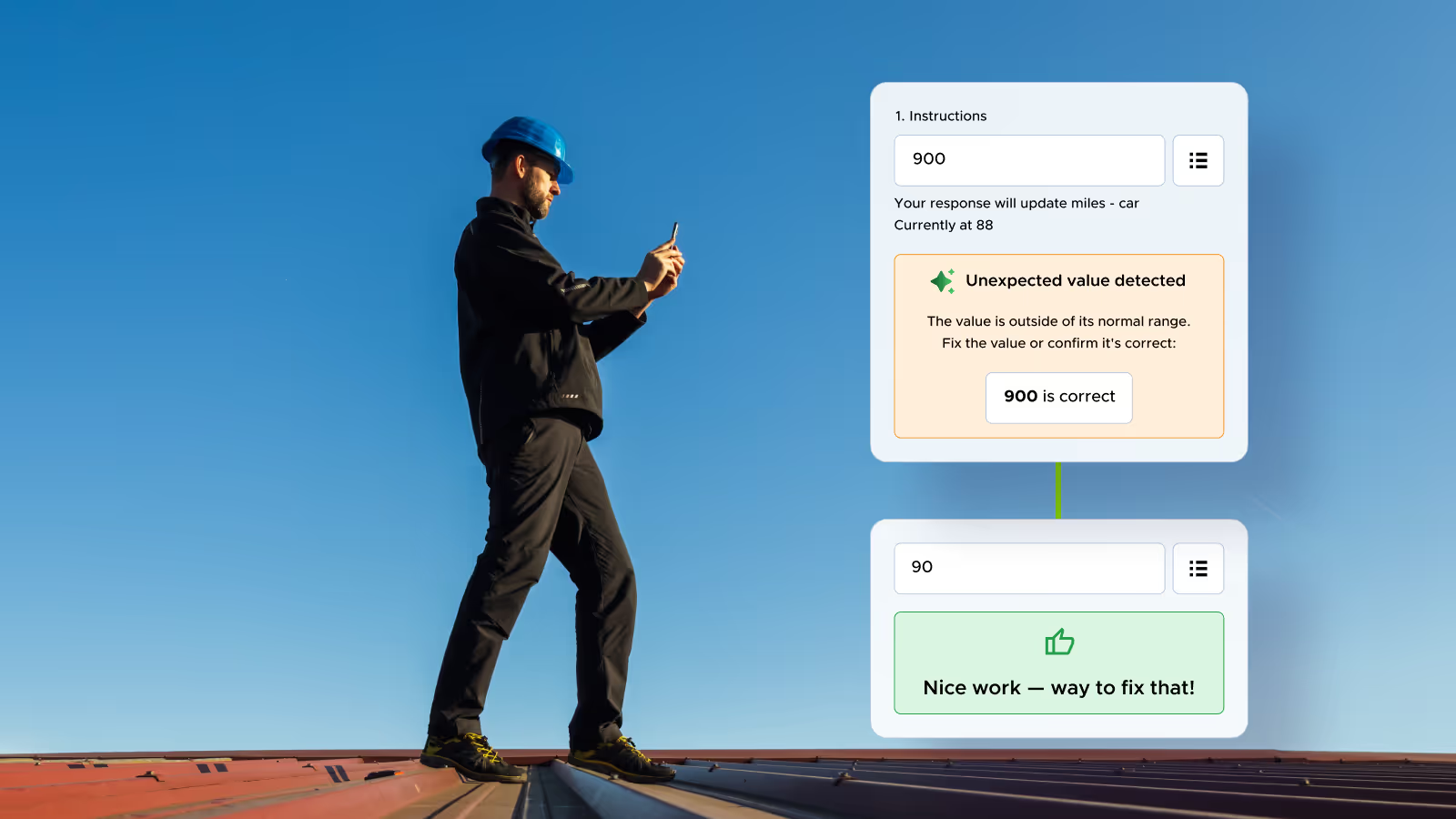
Detect anomalies before failures happen
Limble monitors asset performance and flags unusual readings in real time, so you can act fast, prevent downtime, and keep equipment healthy.



AI that earns your trust
Our AI is only possible when data is safe, secure, and accurate. That’s why every Limble AI feature undergoes rigorous security and privacy reviews, with end-to-end data encryption and full CCPA and GDPR compliance.
Ready to learn more about Limble?
FAQ for CMMS software
Both. Limble monitors asset performance and flags unusual readings in real time, catching problems before they become failures. Our reporting tools spot trends and forecast maintenance needs so you can plan resources ahead of demand. Anomaly detection and threshold-based scheduling are two separate features in Limble.
You own your data, not Limble. We don't scan your data for advertisements or sell it to third parties. Every Limble AI feature undergoes rigorous security and privacy reviews, with end-to-end data encryption and full CCPA and GDPR compliance. Limble is SOC 2 Type II certified.
No proprietary hardware required. Limble works with a range of condition monitoring and IoT solutions, including Monnit, AssetWatch, Augury, VibeCloud, AVEVA and more. Limble can also receive data from most modern IoT devices through its API, giving you the flexibility to connect the hardware and systems that work best for your operation.
- Standard, Premium+, and Enterprise: AI-Powered PM Builder
- Premium+ and Enterprise: Anomaly Detection, Model Context Protocol (MCP), Asset Snap, Smart Parts
- Enterprise only: Resource Planning AI Scheduling Suggestions and Smart Time Estimates, AI Duplicate Work Request Prevention
Limble is both, built together in one platform. Our Practical AI approach is embedded into everyday workflows, focused on measurable results, and built to work with your team. On the CMMS side, that includes the AI PM Builder, duplicate work request detection, and scheduling suggestions. On the predictive side, that includes anomaly detection and forecasting.
Ask specifically how a vendor's AI models are trained, so your proprietary data isn't used to train public models without your consent. Some AI features, like generative drafting or schedule optimization, work immediately. Predictive maintenance models typically need a baseline period to learn your assets' normal operating behavior before they can accurately predict failures. Focus on embedded functionality, not feature labels.
Limble's MCP Server connects to Claude Desktop, Claude Code, and Cursor. It's the AI-ready data layer that lets developers securely connect Limble's data to AI tools, powering better recommendations, faster automation, and flexible integrations for your maintenance team.