
Eliminate delays and ensure your warehouse runs like clockwork
Keep warehouse equipment running smoothly with proactive maintenance, organized workflows, and full visibility into every asset.






increase in team productivity

reduction in equipment downtime

reduction in labor costs
Streamline warehouse maintenance management
Manage warehouse assets and maintenance activities in one place—from forklifts and conveyor belts to HVAC systems and safety inspections.

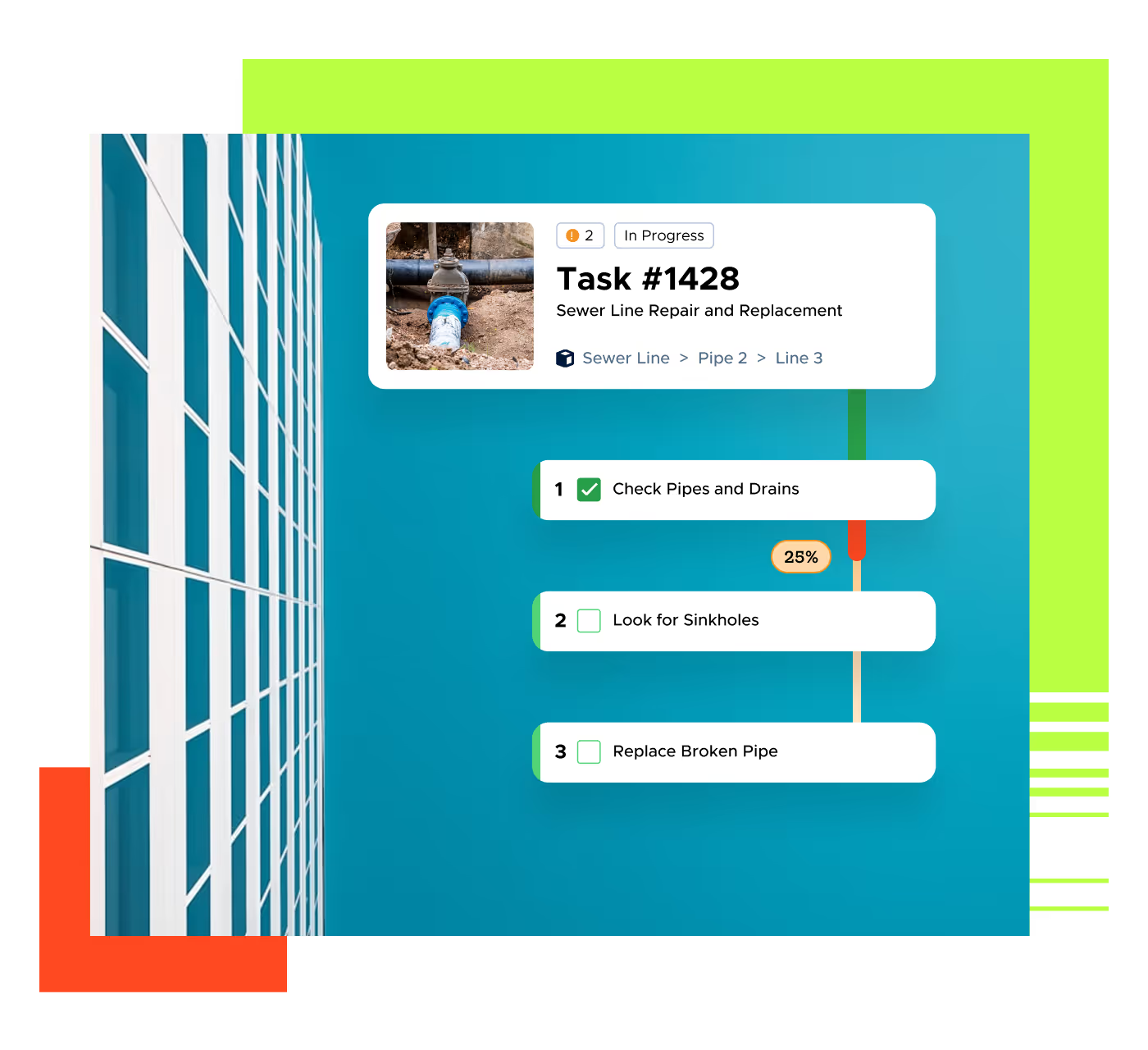
Prevent breakdowns before they occur
Automate preventive maintenance schedules for critical assets based on time, usage, or condition. Complete tasks faster and with fewer errors to reduce downtime.
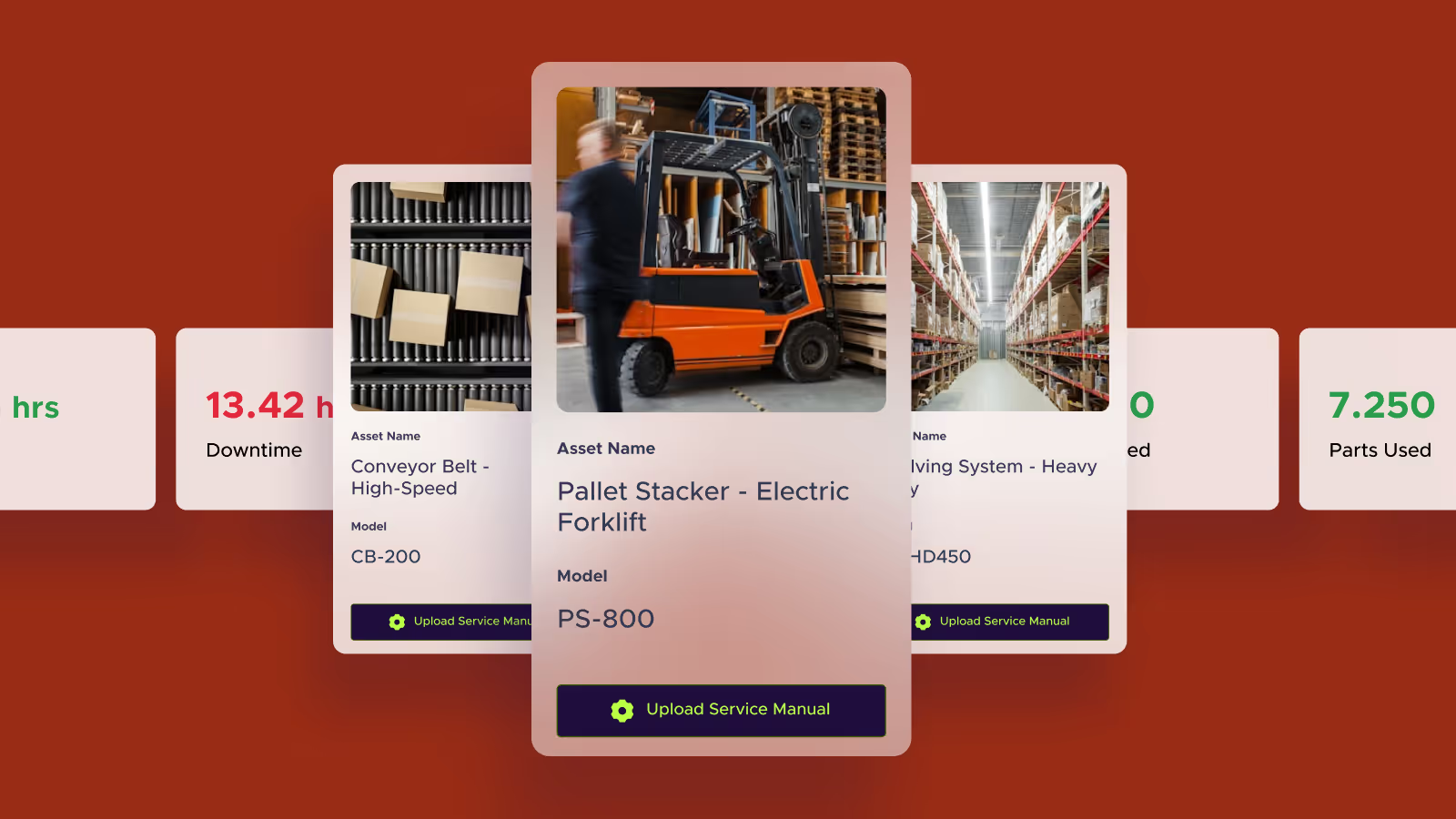
Comprehensive asset management
Track equipment, maintenance requests, and facility needs in one place. Monitor asset health, repair history, and maintenance costs with complete visibility.
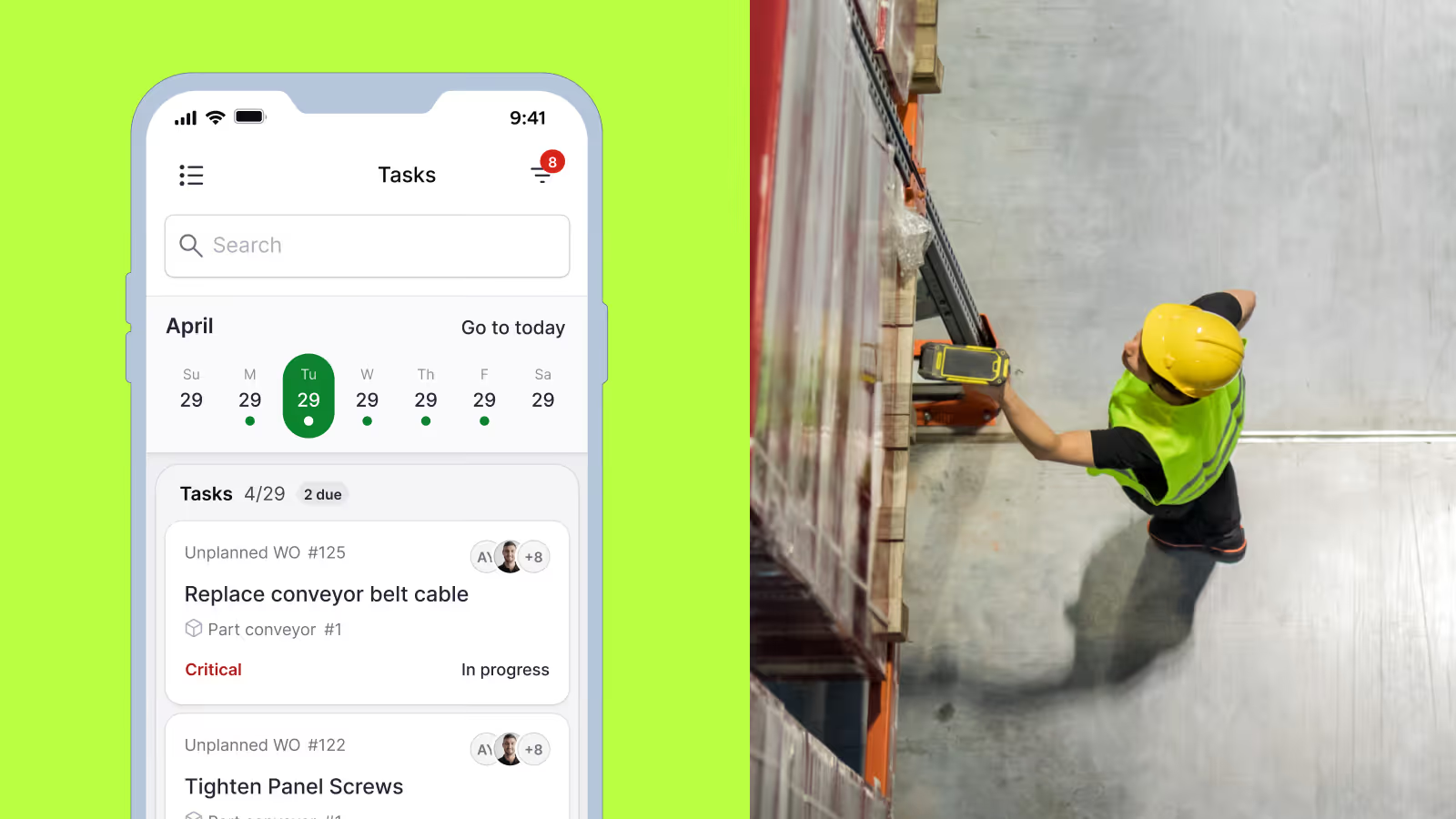
Stay on top of your warehouse operations from anywhere
Keep your warehouses running efficiently, no matter the location. Whether you're overseeing a single facility or an extensive network of distribution centers, Limble ensures seamless coordination and hassle-free management.
Insights that power better decisions
Limble’s robust reporting and analytics tools provide complete visibility into your warehouse operations. With actionable insights, you’ll always have the data you need to improve operations and maximize efficiency.
Monitor downtime trends, asset performance, and maintenance costs.
Spot inefficiencies and optimize processes for better results.
Generate detailed reports for stakeholders, ensuring transparency and accountability.
Keep your teams and your equipment safe
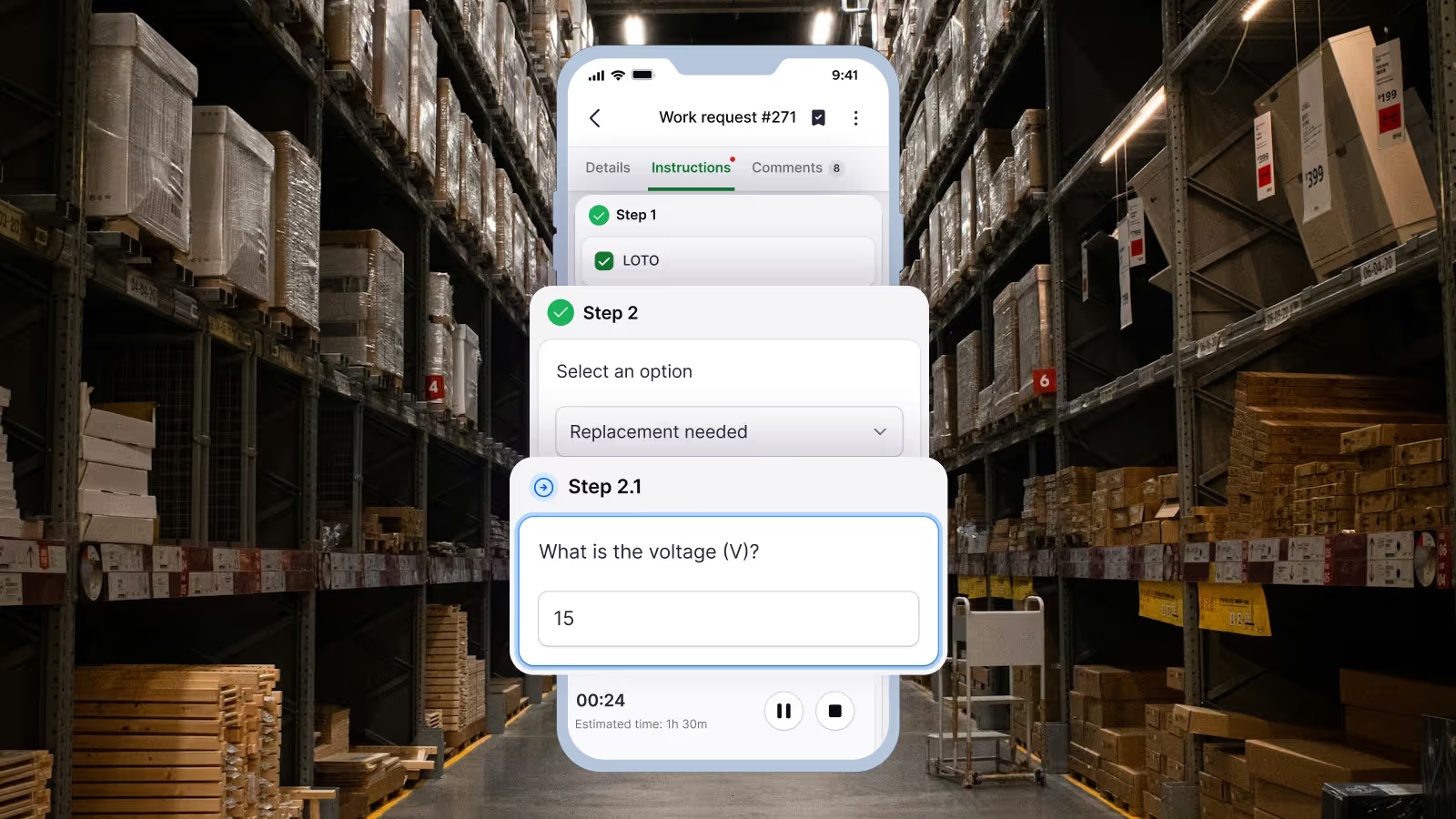
Safety and compliance are critical in warehouse operations. Protect your team, equipment, and operations from unnecessary risk by staying compliant and proactive.
Log inspections and follow all safety protocols
Schedule and track repairs for essential systems like fire alarms, HVAC, and loading dock equipment
Keep documentation organized for audits and regulatory requirements
Dedicated support whenever you need it
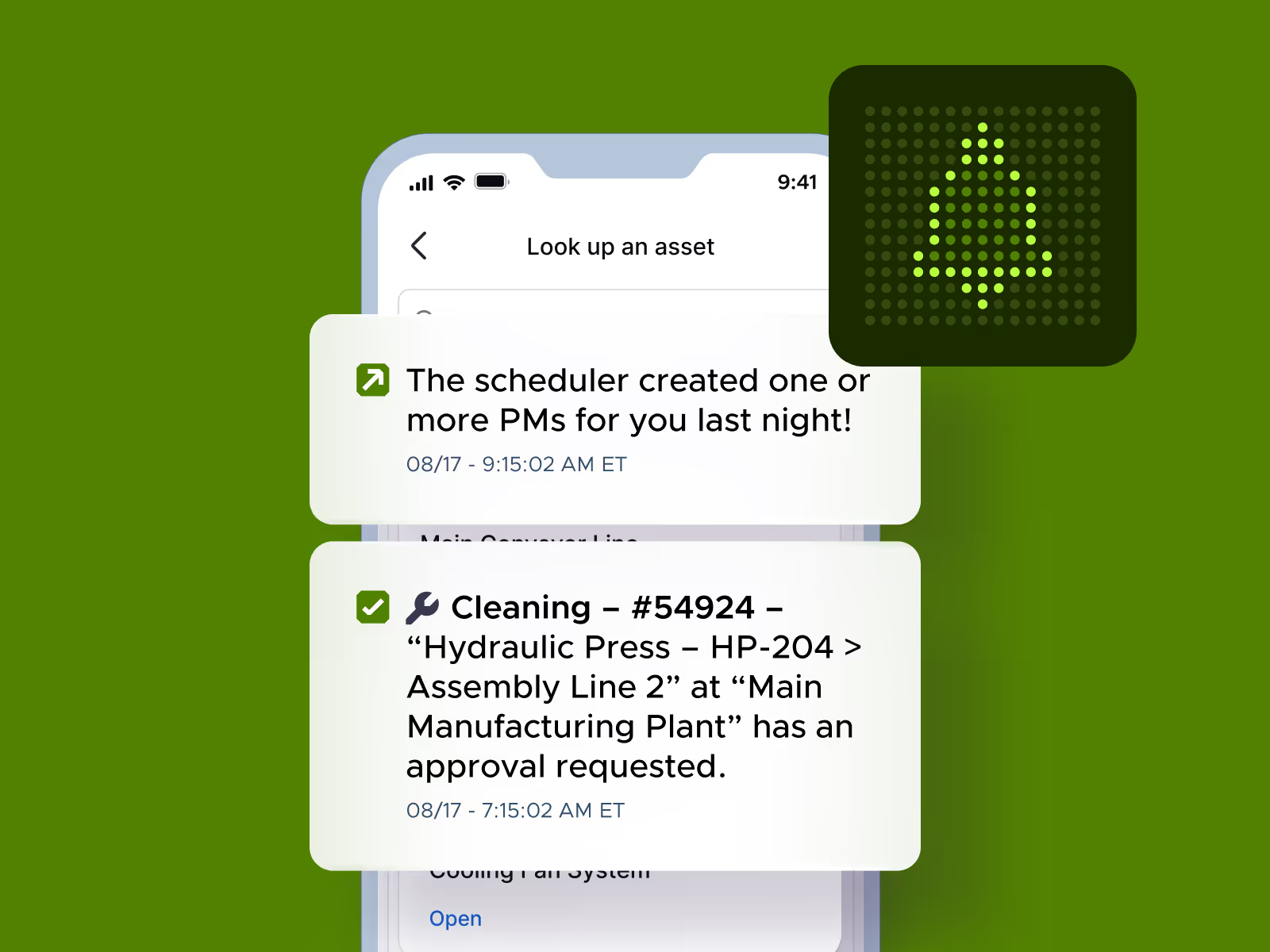
We understand how important it is to resolve maintenance issues quickly in an always-on warehouse environment. Limble’s dedicated Customer Support team is available 24/7 via phone, chat, or email to assist with any questions or challenges.
Hear it from our customers



Ready to learn more about Limble?
FAQ for CMMS software
Yes. Manage forklifts, conveyor belts, and other material-handling equipment alongside the rest of your warehouse assets in one place. Build digital inspection checklists tailored to OSHA's daily pre-shift inspection requirements, with automated PM scheduling based on time, usage, or condition, so routine and OSHA-required inspections happen consistently and get logged automatically for a clean audit trail.
Yes. You can log inspections, follow safety protocols, schedule and track repairs for essential systems like fire alarms, HVAC, and loading dock equipment, and keep documentation organized for audits and regulatory requirements. The same checklist and scheduling tools apply to racking inspections as part of your broader warehouse safety program.
Limble integrates with SAP S/4HANA, Oracle NetSuite, Microsoft Dynamics 365 Business Central, and QuickBooks Online on the ERP side. Limble doesn't currently have a direct integration with a specific WMS platform. Reach out to our team to talk through your specific warehouse systems setup.
Whether you're overseeing a single facility or an extensive network of distribution centers, Limble keeps operations coordinated with seamless management from anywhere. Track equipment, maintenance requests, and facility needs in one place, and monitor downtime trends, asset performance, and maintenance costs across your network. MidWest Materials is one distribution and warehouse customer using Limble this way.