
Coordinate your crew with confidence
See who’s available, who’s overloaded, and what’s coming next so you can minimize overtime and keep work on track.
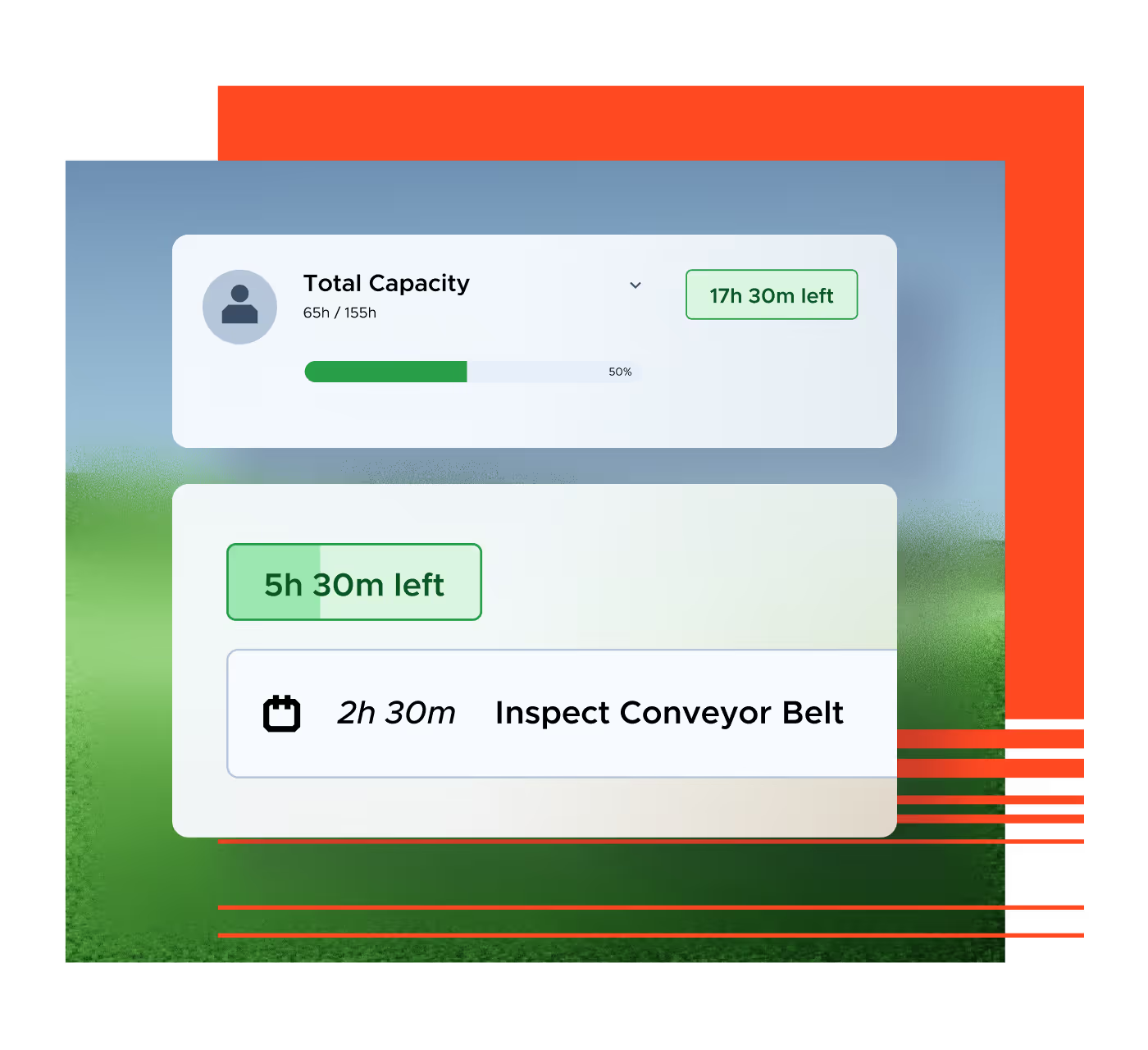

See capacity at a glance
See each technician's workload in real time. Balance schedules fast, prevent overload, and keep every shift running smoothly.

Real-time accountability
Understand where hours go, spot slowdowns early, and keep work moving without chasing updates.

Plan smarter, not harder
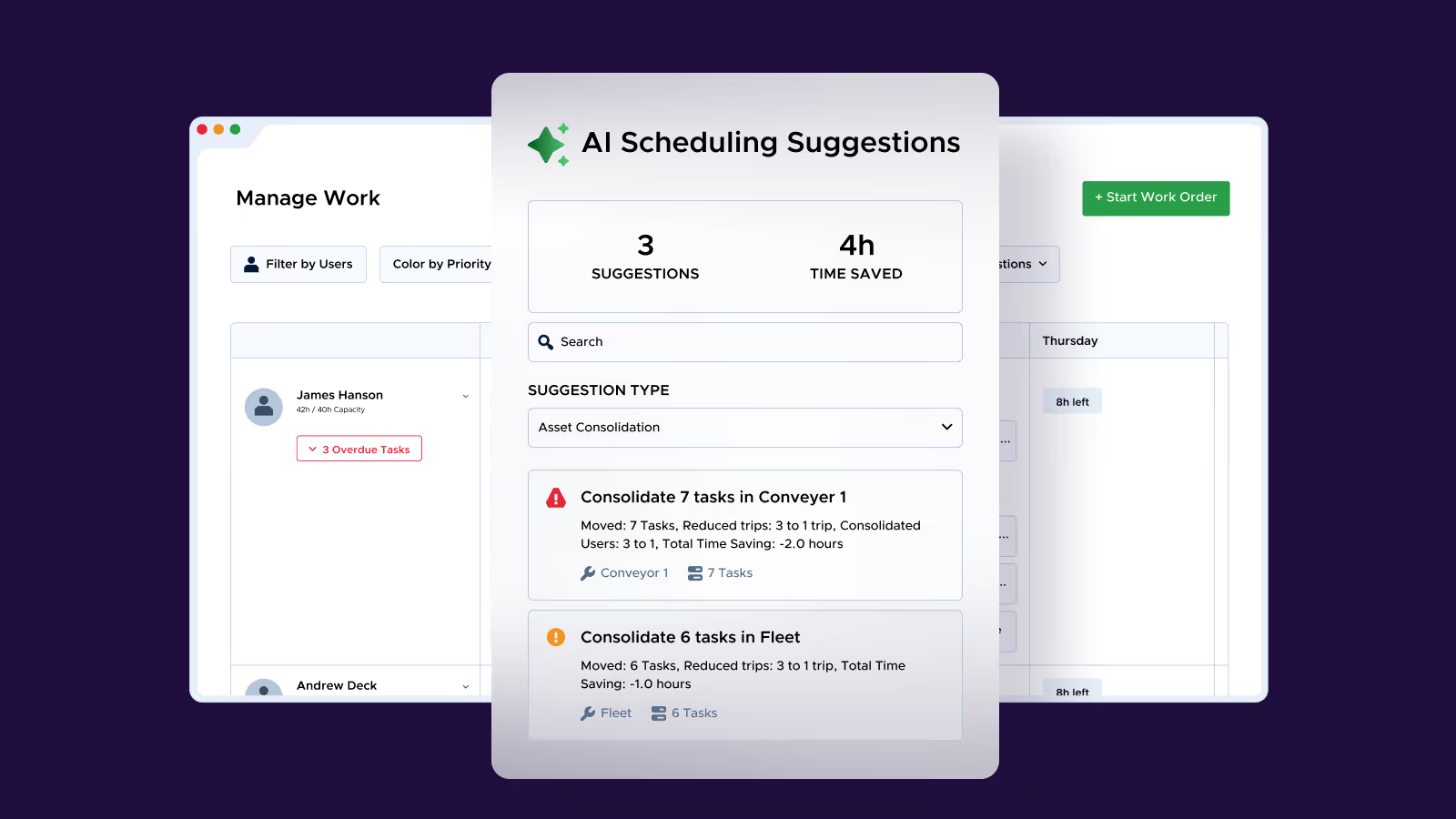
Reduce wasted trips with smart scheduling suggestions that group work by asset and location.
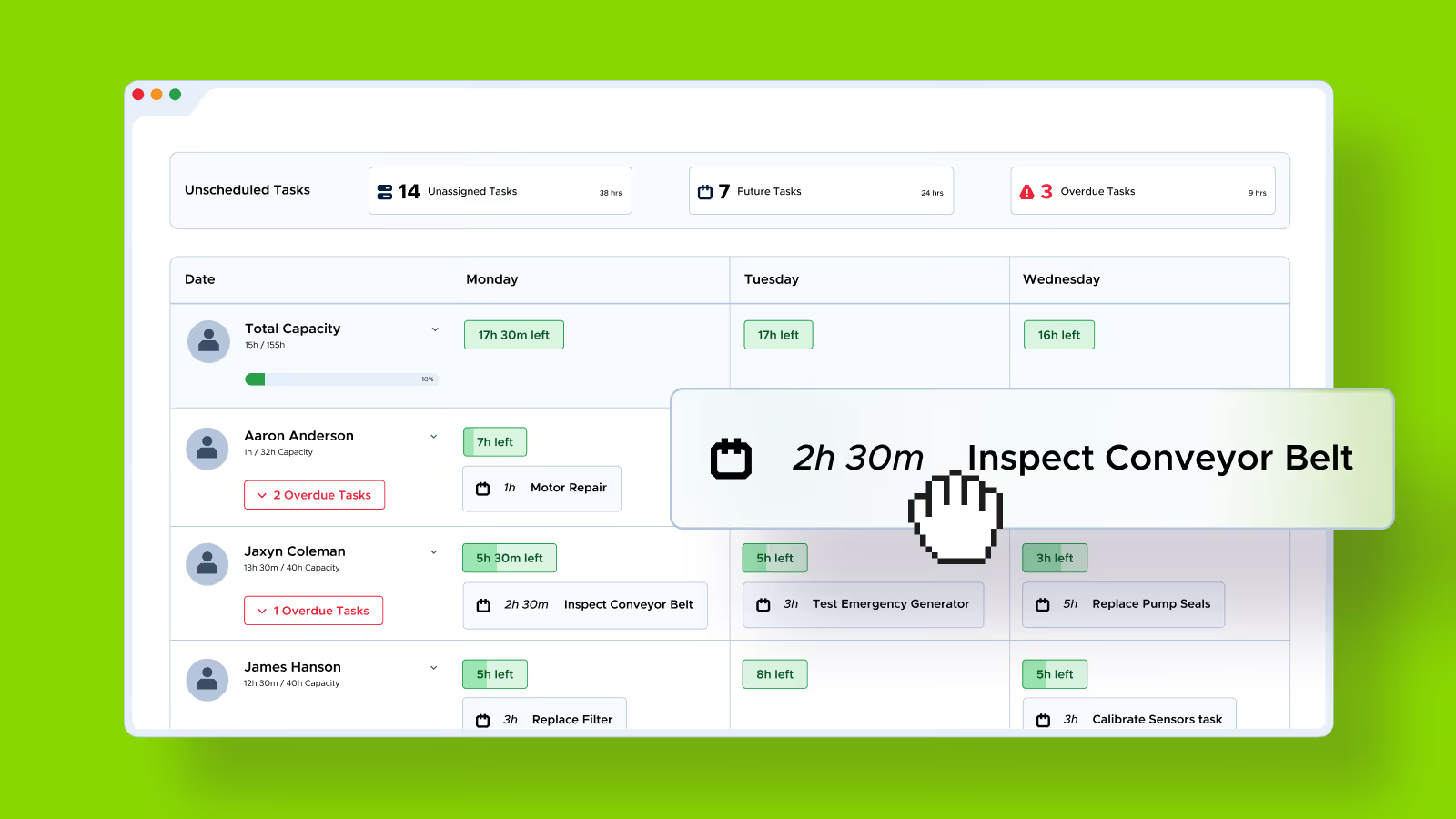
Drag, drop, done.
Assign work, split jobs, and edit times right on the calendar. Fast, clean, and zero spreadsheets.
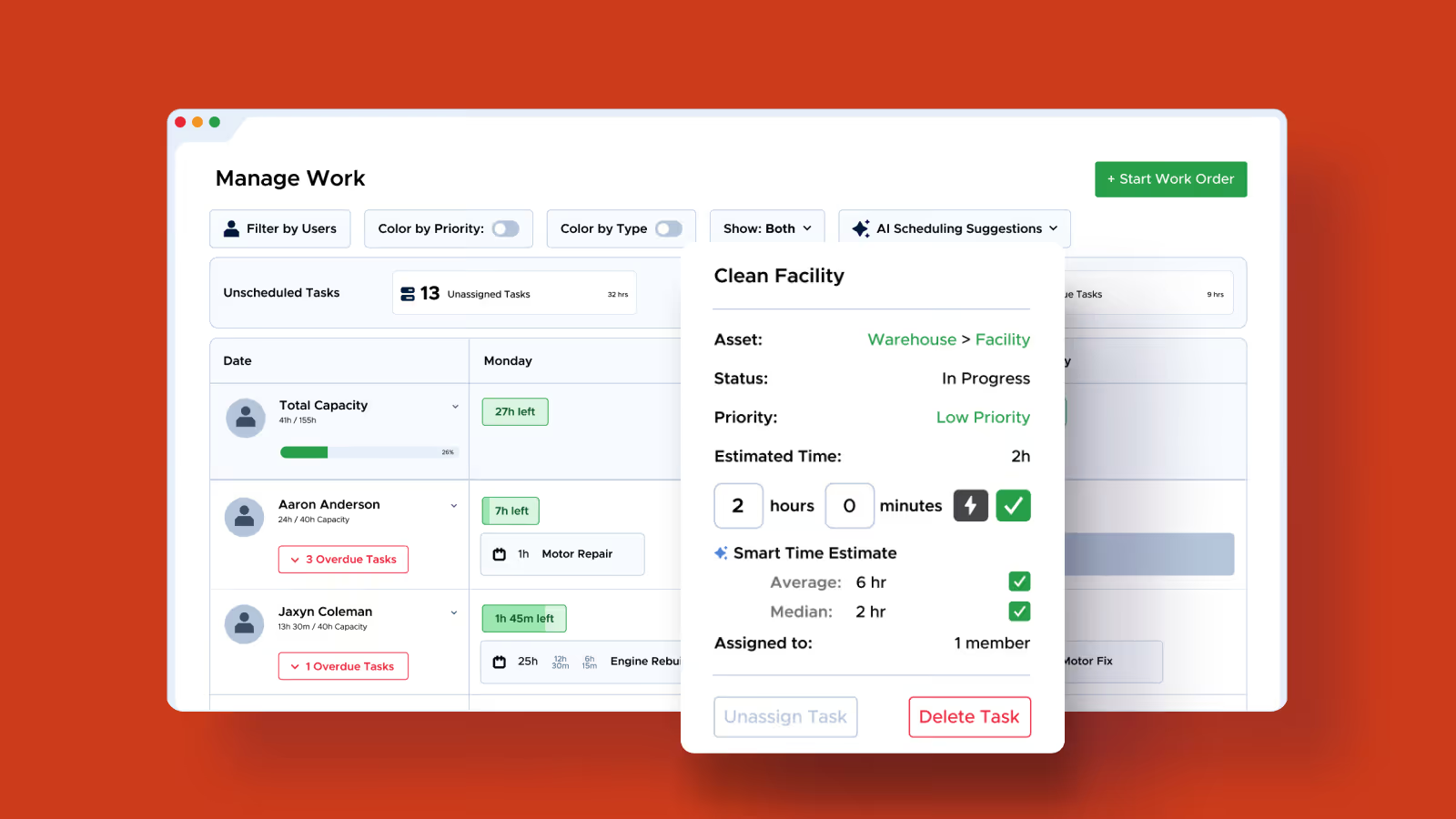
Smart time estimates
Get data-backed time estimates based on real task history so you can plan accurately, reduce guesswork, and keep workloads balanced.
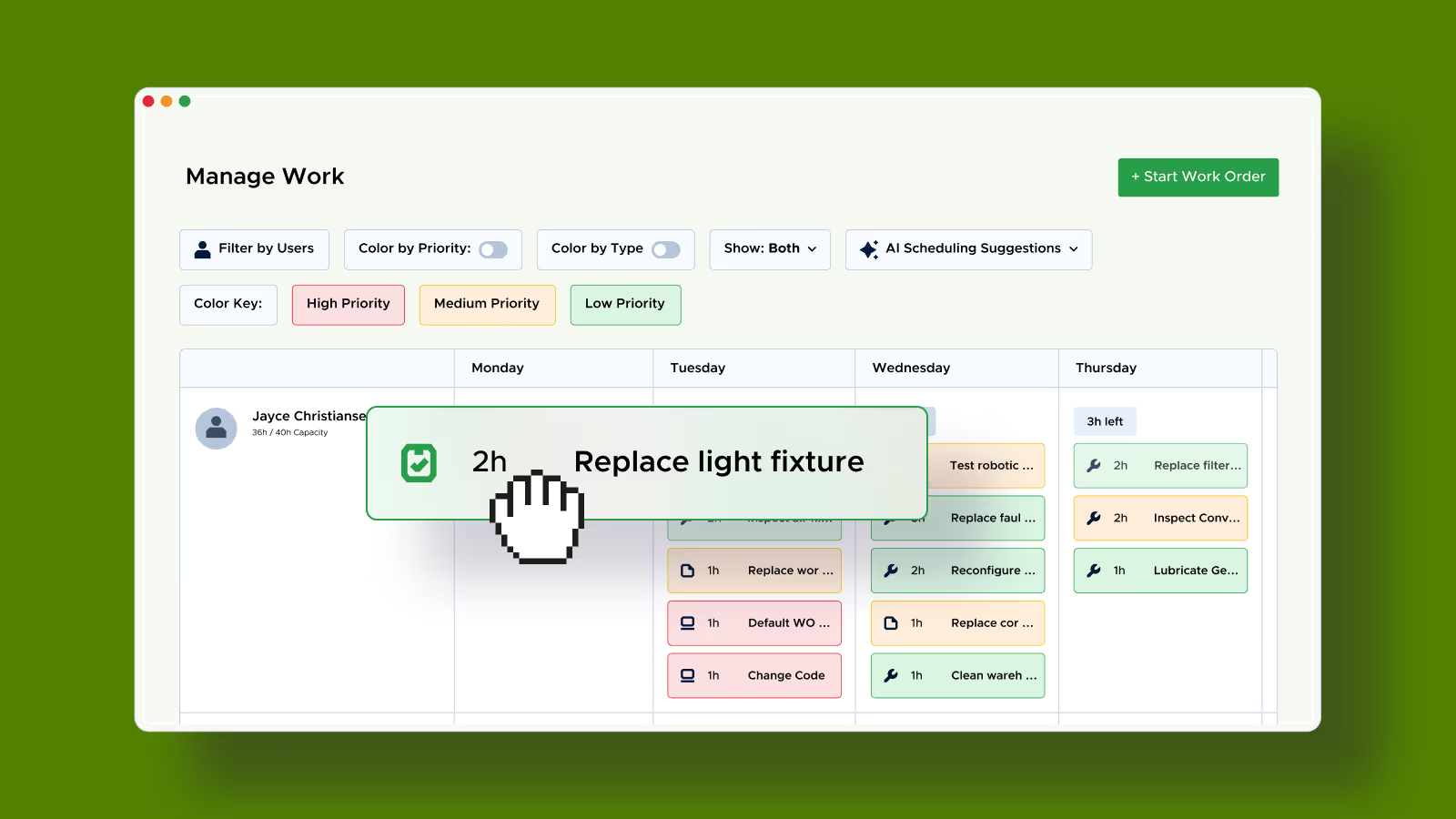
Filter and prioritize the right work
Focus on a single trade or crew, color tasks by type or priority, and schedule the most important work first, keeping operations smooth and responsive.
Track progress and plan smarter with AI
Overlay logged hours against planned hours to see how work is progressing in real time. Consolidate tasks by asset or location with AI, so you cut wasted trips and get more done without adding headcount.
Proven results, measurable impact





Ready to learn more about Limble?
Schedule a demo or calculate your price right away.
FAQ for CMMS software
Key features to look for in a CMMS solution:
- Work Order Management: Track work orders from start to finish.
- Preventive Maintenance Scheduling: Automates the scheduling of maintenance needs to minimize downtime and ensure equipment reliability.
- Asset Tracking: Centralizes asset information and maintenance history.
- Inventory Management: Tracks inventory and ensures parts availability, minimizing delays and keeping maintenance operations running smoothly.
- Analytics: Delivers actionable insights into maintenance work and costs, supporting data-driven decision-making for improved maintenance program.
- EAM (Enterprise Asset Management) Readiness: The capability of a CMMS platform to scale for enterprise requirements and seamlessly integrate with other systems like ERP and more.
These features enhance efficiency, reduce costs, prevent breakdowns, and extend asset lifespan while improving reliability. Learn more about CMMS features.
Facility managers, operations managers, and asset managers use CMMS software to streamline audits, ensure regulatory compliance, schedule preventive maintenance tasks, and efficiently manage asset lifecycles. It is widely used in industries like manufacturing, education, energy & utilities, and food & beverage to help optimize resources and improve maintenance processes.
Implementing CMMS software often takes 6 to 12 months. With Limble, recognized as the best CMMS software, customers see value in just 3 weeks. Our product experts provide 24/7 hands-on support and ensure seamless migration every step of the way.
Limble’s CMMS can integrate with IoT devices and other software systems to enable real-time asset health monitoring, collecting of critical data on equipment performance. This supports predictive maintenance by identifying potential issues early, reducing downtime, and scheduling repairs before failures occur.